Economic review in March 2025. Will the EU continue tariff-free trade with Ukraine?
Since March 2022, the Centre for Economic Strategy (CES), together with the German Economic Team (GET), has been preparing monthly reviews of Ukraine’s economy during a full-scale war. All notes can be found under the link.
Key changes in the Ukrainian economy in March:
- Monetary, FX, and Banking sector: The NBU increased its key policy rate to 15.5% because inflation rose to 13.4% y-o-y in February. In February, Ukraine’s international reserves dropped by 6.7% to $40.1bn, but the hryvnia strengthened against the USD. In January, household deposits continued to grow in some categories; UAH retail and corporate loans exceeded pre-war levels, with retail lending seeing the strongest growth.
- Sectoral analysis: Ukraine restores power grid after Russian attacks: Electricity imports doubled in February to balance the power system. Daily output of steel products increased in February; however, monthly production declined due to fewer calendar days. Grain and oilseed exports remain low in February. Agricultural lands market volume surpassed 320,000 ha.
- Fiscal sector: February real tax revenues lower than in 2024. Strong VAT and excises did not offset low CPT revenues. Ukraine did not receive foreign financing in February: this was expected; financing resumes in March.
- Foreign trade: Agriculture remains the main export sector of Ukraine. Mechanical engineering products lead imports. Since January 2024, China has fallen from third place of Ukraine’s top 10 export destinations, as exports dropped by more than half, declining from $334m to $142m. The top five importers to Ukraine remained the same compared to January 2024. IT services exports hit 4-year low in January.
See our presentation for further details.
Special topic: Will the EU Extend Duty-Free Trade for Ukraine? Key Insights for Exporters
In June 2022, EU countries removed administrative barriers and fully opened their markets to Ukrainian products. However, the current Regulation on temporary trade-liberalisation measures is set to expire this June.
What’s next for the Deep and Comprehensive Free Trade Area (DCFTA)? Will the terms be renewed, and what should Ukrainian exporters expect?
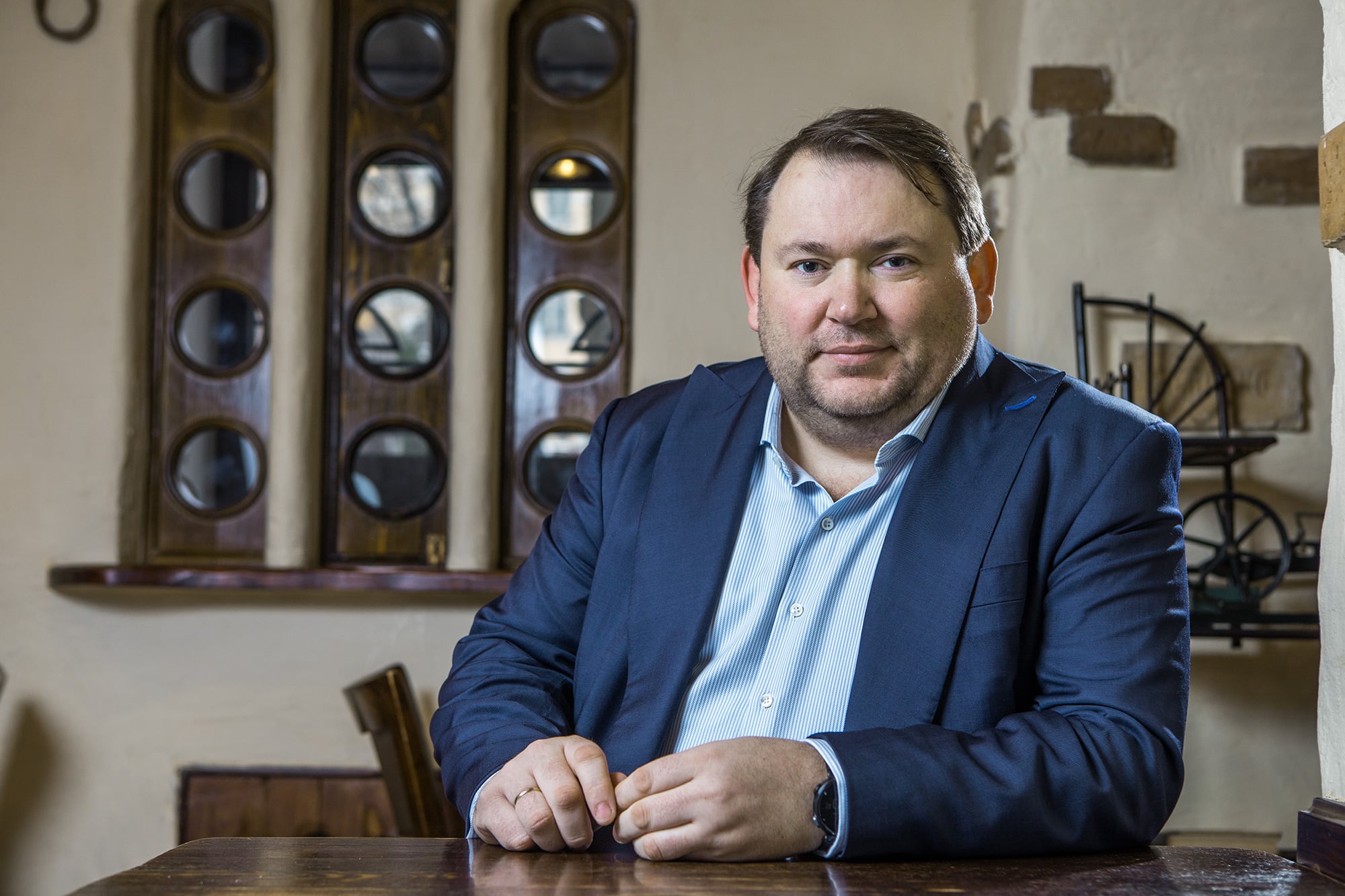
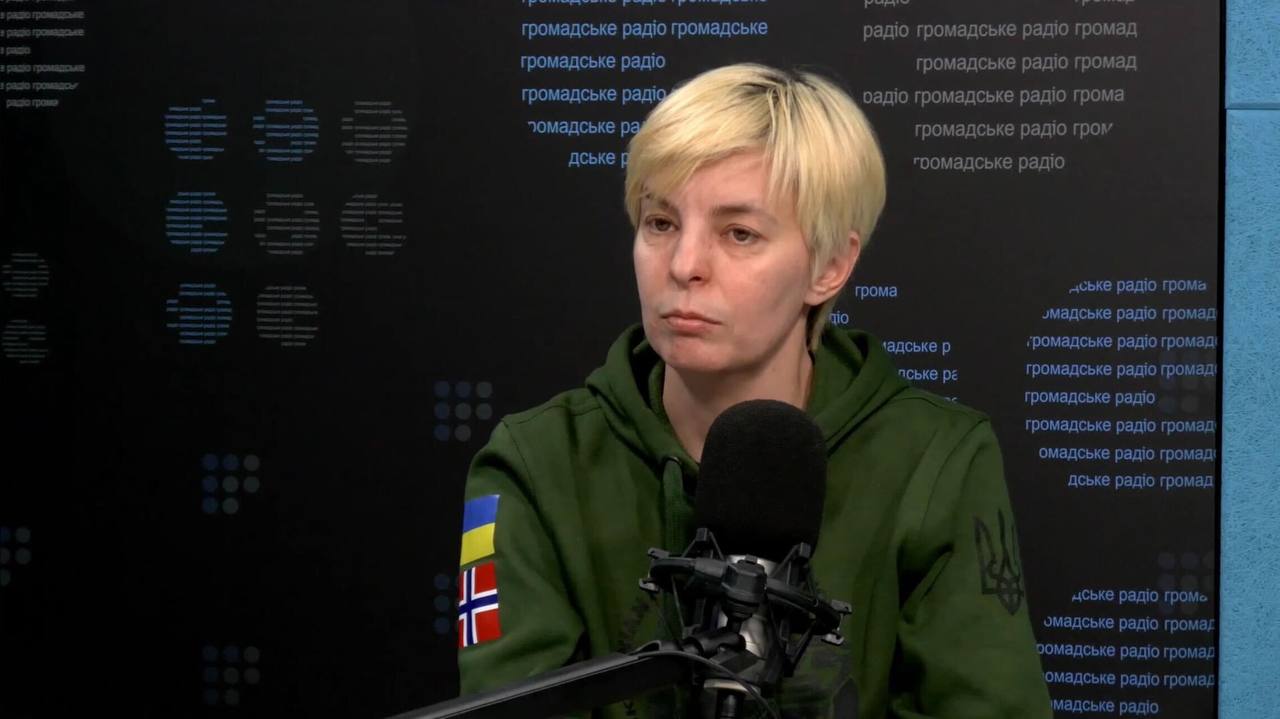
Expert Panel
- Taras Kachka – Deputy Minister of Economy of Ukraine
- Oleksandra Avramenko – Head of the European Integration Committee, UCAB
- Oleg Nivievskyi – Associate Professor, Kyiv School of Economics / Berlin Free University
- Kateryna Spivakova – Director of Communications & Government Relations, Kernel
Moderators
- Iana Okhrimenko – Senior Economist, CES
- Maksym Samoiliuk – Economist, CES
The event will be held in Ukrainian, with simultaneous translation into English.
Media partner: Ekonomichna Pravda.

Explore more