The recovery spending watchdog №17. Reconstruction funds
Research
| 4 April 2025
We will examine where the funding came from, which key initiatives were implemented, and what will remain a priority for 2025. Additionally, we will review the latest Ukraine Recovery and Reconstruction Needs Assessment (RDNA4) and its alignment with real challenges.
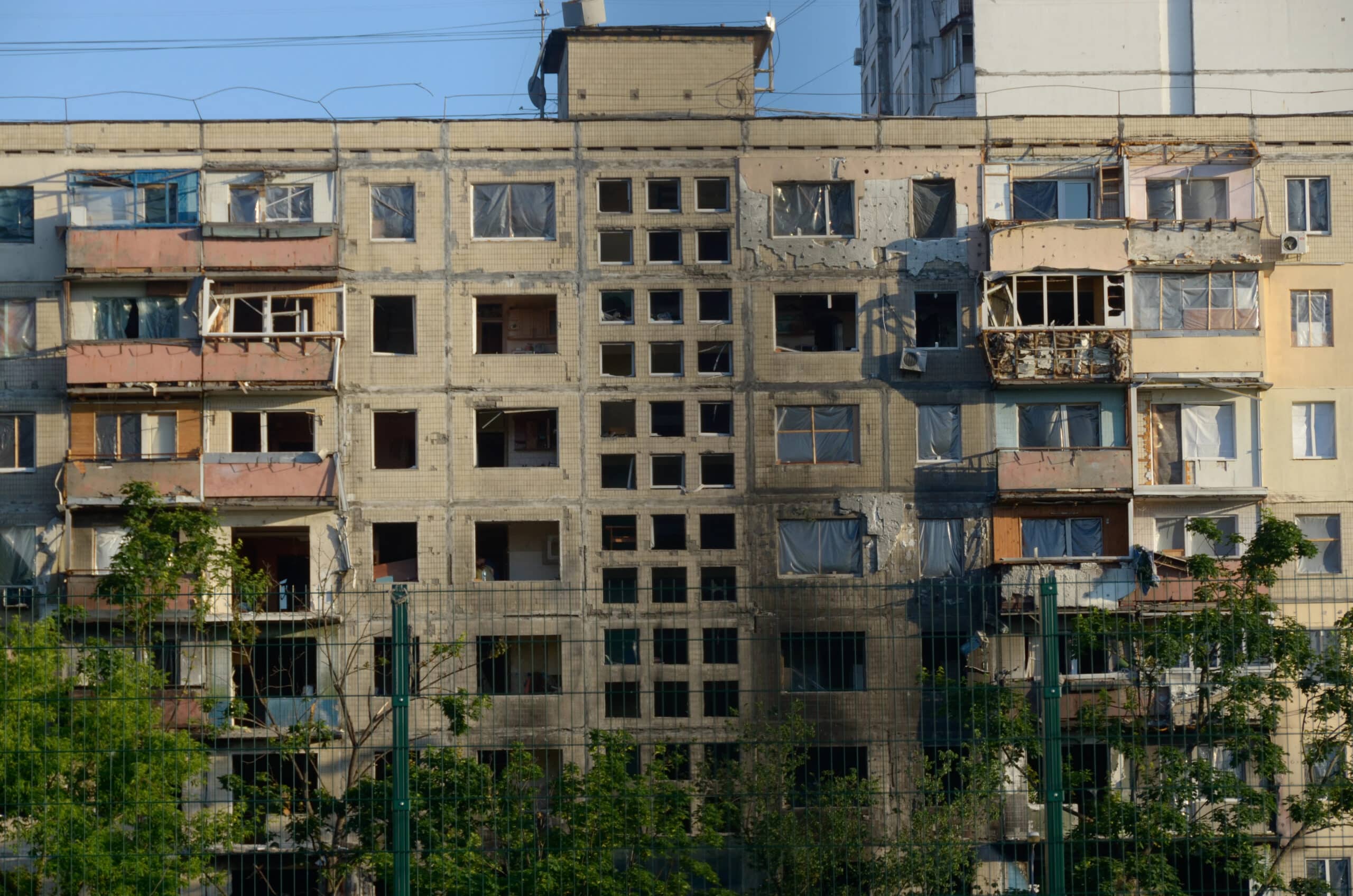
The rate of destruction continues to outpace reconstruction, although recovery efforts are also rising. The largest share of damage affects residential buildings: 24,295 apartment buildings and 175,207 private homes have been damaged or destroyed — about 30% have been restored.
Total direct damage has increased by 15% to $176 billion, while recovery needs have risen by 8% to $524 billion. The hardest-hit regions remain those near the front lines: Donetsk ($43.2 billion), Kharkiv ($29.1 billion), and Luhansk ($15.6 billion) oblasts.
The main sources of funding are the Remediation Fund and international financial institutions, such as the World Bank and the European Investment Bank.
This year’s priority programs face a funding gap of over $10 billion as only 43% of the required funds have been secured.
The sectors with the highest financial needs in 2025 are energy (28% of total required funding), housing (23%), and transport (12%).
In 2025, 11,800 construction contracts were announced: 89.9% completed, 3.9% canceled, 1.9% unsuccessful, and 4.3% ongoing. As in 2024, 79% of completed electronic contracts were non-competitive.
Key financing challenges include budgetary constraints, a lack of clear information on recovery programs, and delays in bringing completed projects into operation.
These issues will be partially addressed by the reform of public investment management (PIM), which introduces a new methodology for prioritising investment projects and sector-specific monitoring portfolios.
Invited speakers:
- Denys Uliutin, First Deputy Minister of Finance of Ukraine.
- Viktor Maziarchuk, Head of the Fiscal Policy Research Center.
- Vasyl Nevidomyi, Member of Accounting Chamber of Ukraine.
Moderator: Maria Repko, Deputy Director of the Centre for Economic Strategy.
The release was prepared within the framework of the EU-funded project “The recovery spending watchdog”. Previous releases are available here. The project is a joint effort of the Centre for Economic Strategy, the Institute for Economic Research and Policy Consulting, and the NGO “Technologies of Progress”. All project participants are members of the RISE coalition.

Explore more