Recovery procurement: 2024 summary — problems persist, volumes decrease
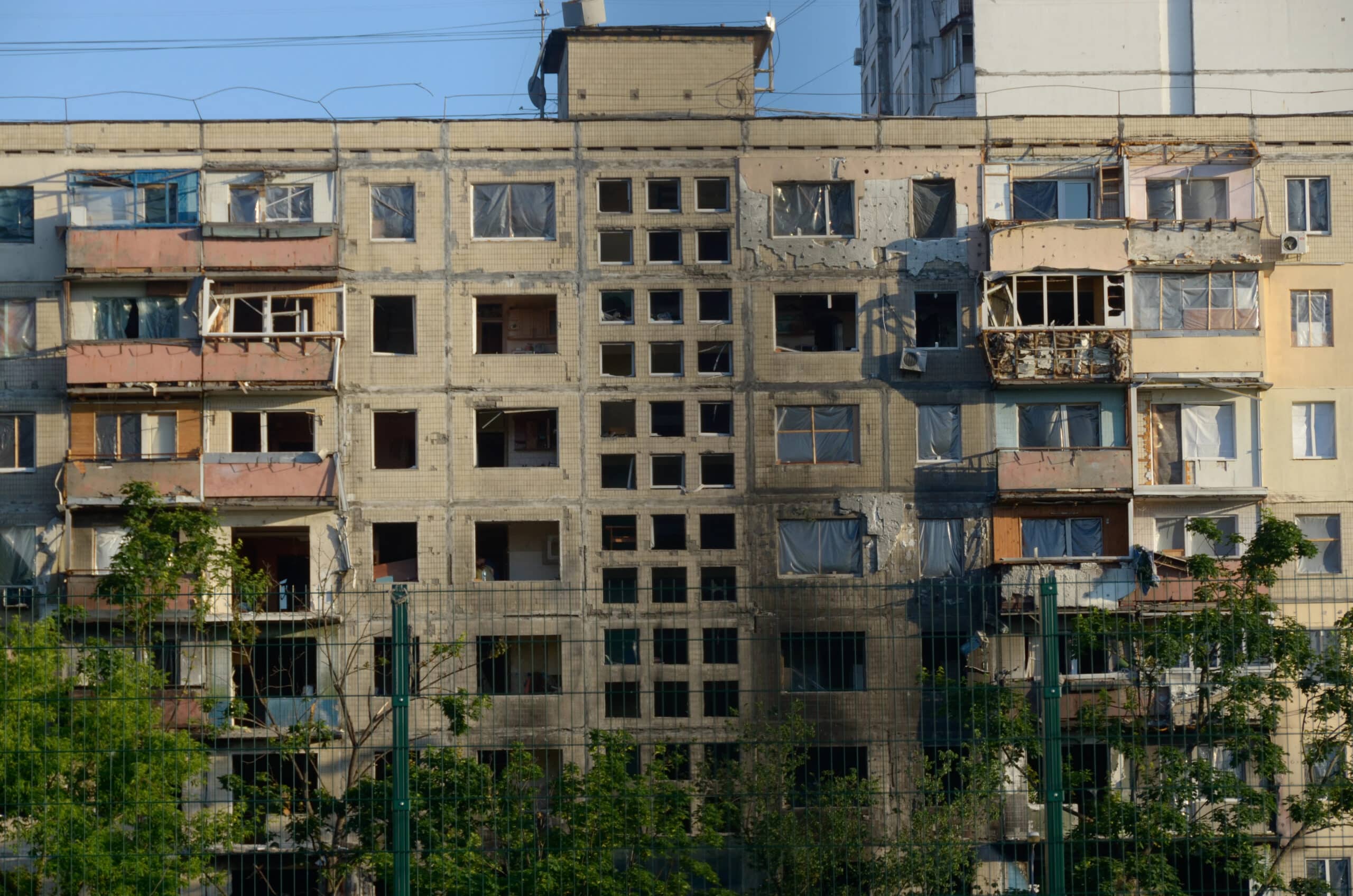
According to the Fourth Rapid Damage and Needs Assessment (RDNA4), direct losses reached $176 billion as of the end of 2024, while total recovery needs amount to $524 billion. At the same time, the volume of public procurement is decreasing, and the level of competition remains low.
Dynamics of Construction Procurement in 2024
In 2024, funding for construction procurements decreased by 4% in hryvnias (UAH 271.6 billion) and by 13% in dollar terms ($6.8 billion). The total number of completed tenders decreased by 23%, and their value in the national currency decreased by 6%.
The largest categories of construction procurements are:
- Road construction and repair – over 13% of the total volume;
- Engineering protection of facilities – also over 13%;
- School construction and repair – 9%, a significant portion of which is occupied by the construction of shelters.
Main Problems of Construction Procurement:
1. A large number of sub-threshold procurements – complicates competition and transparency;
2. Low level of competition – often limited to a circle of regular participants;
3. Uneven distribution of procurements throughout the year – complicates planning;
4. Lack of effective monitoring of reconstruction procurements – complicates control over the transparency of processes.
The largest amounts of construction procurements in 2024 were directed to:
- Kyiv – 16.7% of the total volume;
- Dnipropetrovsk region – 10.9%;
- Kharkiv region – 8.2%.
What the authorities can do:
- Reform of public investment management – implementation of the Roadmap;
- Reduction of the number of artificial sub-threshold procurements – development of new state policies;
- Creation of a Central Purchasing Organization at the Restoration Agency for effective control of procurements;
- Research on the reasons for companies refusing to participate in reconstruction procurements;
- Analysis of tender monopolization – research by the Antimonopoly Committee;
- Ensuring the continuity of procurements – elimination of budgetary obstacles;
- Risk-oriented monitoring of procurements by the State Audit Service;
- Introduction of an additional procurement identifier in the Prozorro system;
- Streamlining the procurement codes of the Unified Procurement Vocabulary to improve the classification of goods and services.
This publication was produced with the financial support of the European Union. Its contents are the sole responsibility of “The recovery spending watchdog” project team and do not necessarily reflect the views of the European Union.
Explore more