Recovery procurement: year in review and areas for improvement
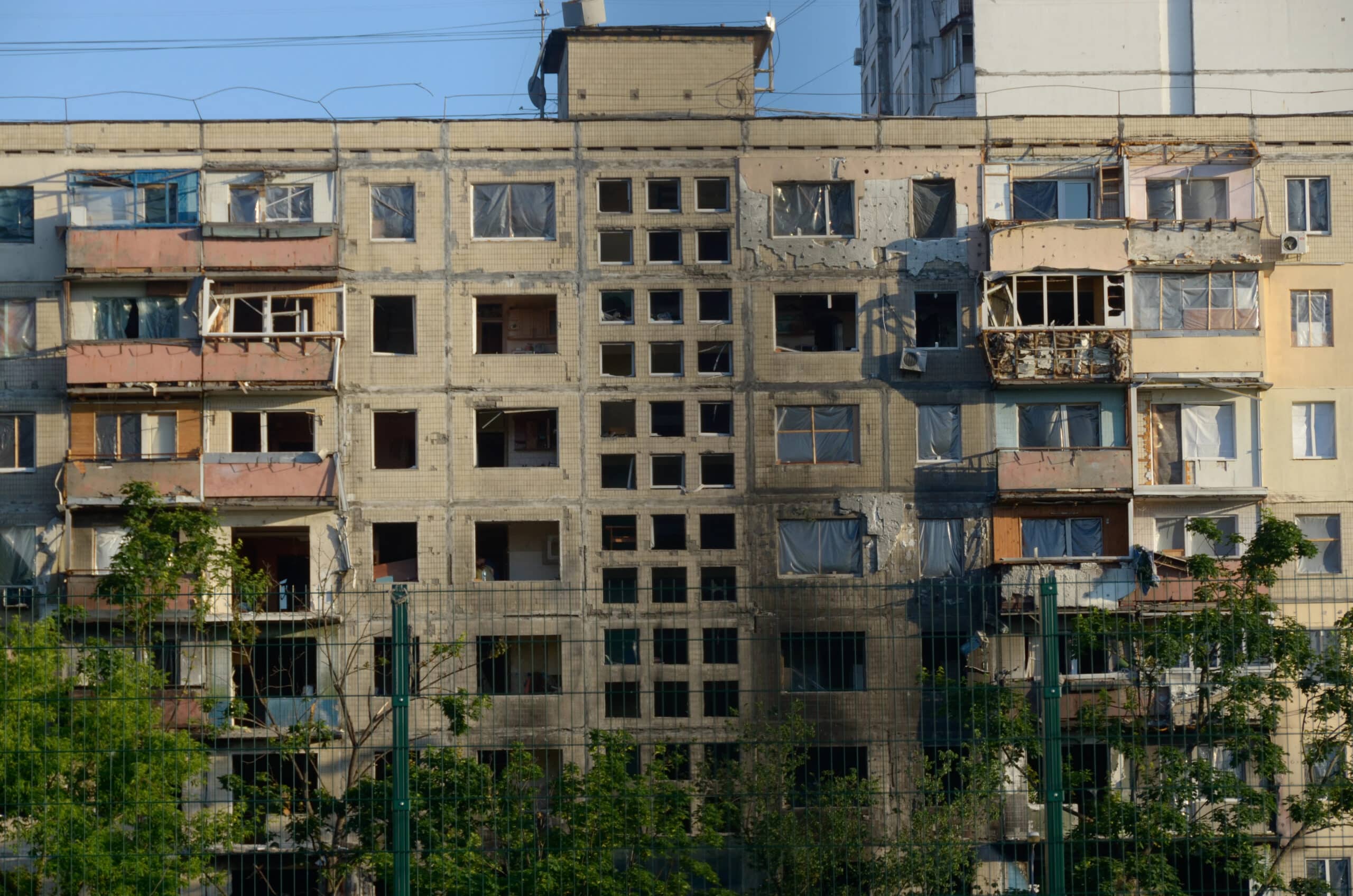
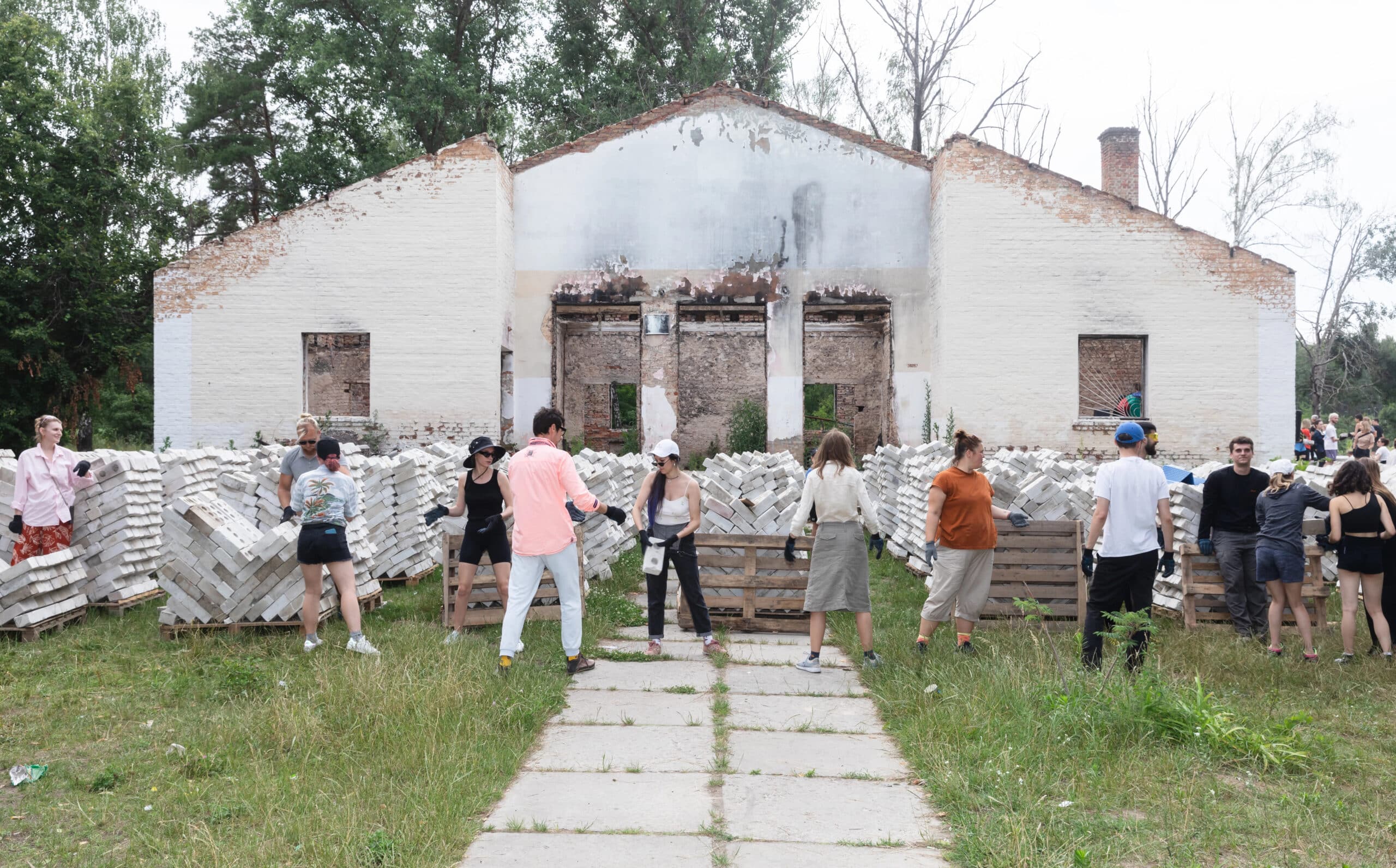
Reconstruction and recovery in Ukraine after the Russian invasion have become vital “civilian” wartime tasks, along with humanitarian aid and maintaining economic stability. According to the Third Rapid Damage and Needs Assessment (RDNA3), as of the end of 2023, direct losses due to the Russian invasion amounted to $152 billion, and needs for recovery amounted to $486 billion.
However, significantly fewer funds are allocated for recovery. The annual volume of tenders in construction and current refurbishment amounted to UAH 283 billion in 2023 (about $8 billion). According to RDNA3, priority expenditures for reconstruction and recovery in 2024 amount to $15.3 billion
This analysis aims to outline the range of issues within the recovery procurement system based on available data, propose directions for further in-depth analysis, and formulate key recommendations for achieving more open and competitive procurement processes. The ultimate goal of these changes is to make recovery procurement more efficient, ensuring that the state receives services of proper quantity and quality for its funds while competitive private and state-owned companies have the opportunity to grow by securing contracts.
The state’s main recovery tool is public procurement for construction and refurbishment works (procurement under CPV code 451). This brief focuses on the analysis of available data on such procurement. Having analysed the data of 173 thousand completed reconstruction procurements in 2023, we identified five key issues that we believe should be the focus of state policy efforts: the lack of transparency in cost estimates, the absence of a comprehensive monitoring mechanism for recovery procurements, the excessive number of below-threshold procurements, severely limited competition, and the uneven procurement pace throughout the year.
In some cases, a deeper study of these problems is required to develop policy solutions, but some steps can already be taken. We have described this strategy in our recommendations.
The presentation of policy brief is available via the link.
Explore more