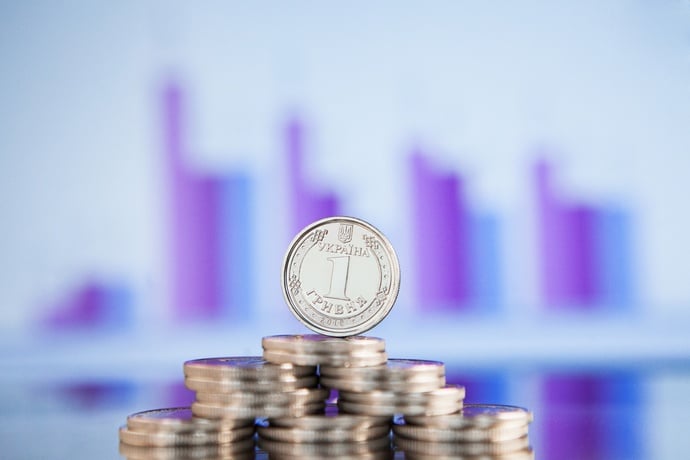
Ukraine’s resilience to crises: public debt
It is now possible to stipulate that the fiscal and banking policies in 2016-2019 gave Ukraine a strong safety margin.
As the Ministry of Finance faced the COVID-19 crisis and a 4% drop in GDP in 2020, it was forced to increase the budget deficit by 2.7 times compared to 2019, or up to 5% of GDP.
Government guarantees issued to Ukravtodor and other state-owned companies in 2020, as well as c, “pulled” another 1.1 % of GDP. Thanks to the accumulated cushion of strength, public finances did not drop into the abyss.
In general, the situation in public finances, despite the two years of crisis, looks rather promising: the debt burden has been contained and the deficit has been reduced. This is to be encouraged.
But the attitude of parliamentarians to budget allocation, the high share of foreign currency debt and the large nominal funding requirements for short-term debts and deficits, as well as the troubled segment of state-owned companies, are a cause for concern.
If fiscal risks materialise, public finances could collapse.
This note presents the analysis of the Centre for Economic Strategy and the views of the panelists who participated in the forum “Ukraine’s Resilience to Crises: A Look into the Near Future”, organised by the Centre for Economic Strategy on 8 December 2021
Explore more