The recovery spending watchdog №21. Legislative changes, investments, and construction reforms
Research
| 19 August 2025
In August, the government made several systemic steps in the areas of energy and recovery management, including the adoption of the electricity sector development strategy through 2035. DREAM continues to accumulate projects, but the issue of financing remains critical. Procurement volumes are still large but mostly non-competitive, while media increasingly report risks of overpricing and lack of transparency.
Strategy and Regulation
In 2025, several important changes were approved in the construction sector: the Verkhovna Rada postponed the development of comprehensive community development plans until 2028; the government approved the procedure for using UAH 1 billion from the State Fund for Regional Development (SFRD) within the DREAM system; and the state-level Urban Planning Cadastre Geoportal became operational. A working group was also established to improve pricing in construction, and a new Sectoral Agreement was signed, raising wages and labour standards in the industry.
Public investment management reform continues through regional meetings with municipalities, the “Opportunities Catalogue,” and support for local councils, for example, in Kovel, where the Medium-Term Plan of Priority Public Investment (MTP) has become the basis for strategic planning.
DREAM and Investment Management
As of August 2025, the DREAM system includes around 1,300 communities and over 13,000 submitted projects with a total financing need of UAH 2.16 trillion, while available funding amounts to UAH 581 billion. Over the past month, one more sector was added (50 in total), now covering 30 subsectors. Starting in September, DREAM will feature more data in the “Medium-Term Plan of Priority Public Investment” section, and a new guide describing all stages of public investment management has been published.
Procurement
Procurement volumes remain high, but more than 80% of tenders have only one participant. The largest expenditures are concentrated in infrastructure and regional facilities, indicating large-scale but low-competition processes. In some cases, tenders result in significant price reductions, but this is more an exception than a rule.
From January to July 2025, more than 76,000 construction-related procurements worth UAH 154.4 billion were announced, over 91% of which have already been completed. The majority of completed contracts (over 68% by value) were conducted through the electronic procurement system, while basic offline procurements dominate in number. There has also been an increase in defense-related procurement, with over 900 procedures recorded in July.
Investigations and Oversight
Journalists and civil society organizations highlight risks of overpricing and non-transparent procedures. Key concerns include single-bid procurements, contractors with questionable reputations, and potential cost inflation. Public demand for oversight of recovery funds continues to grow.
Education and Healthcare
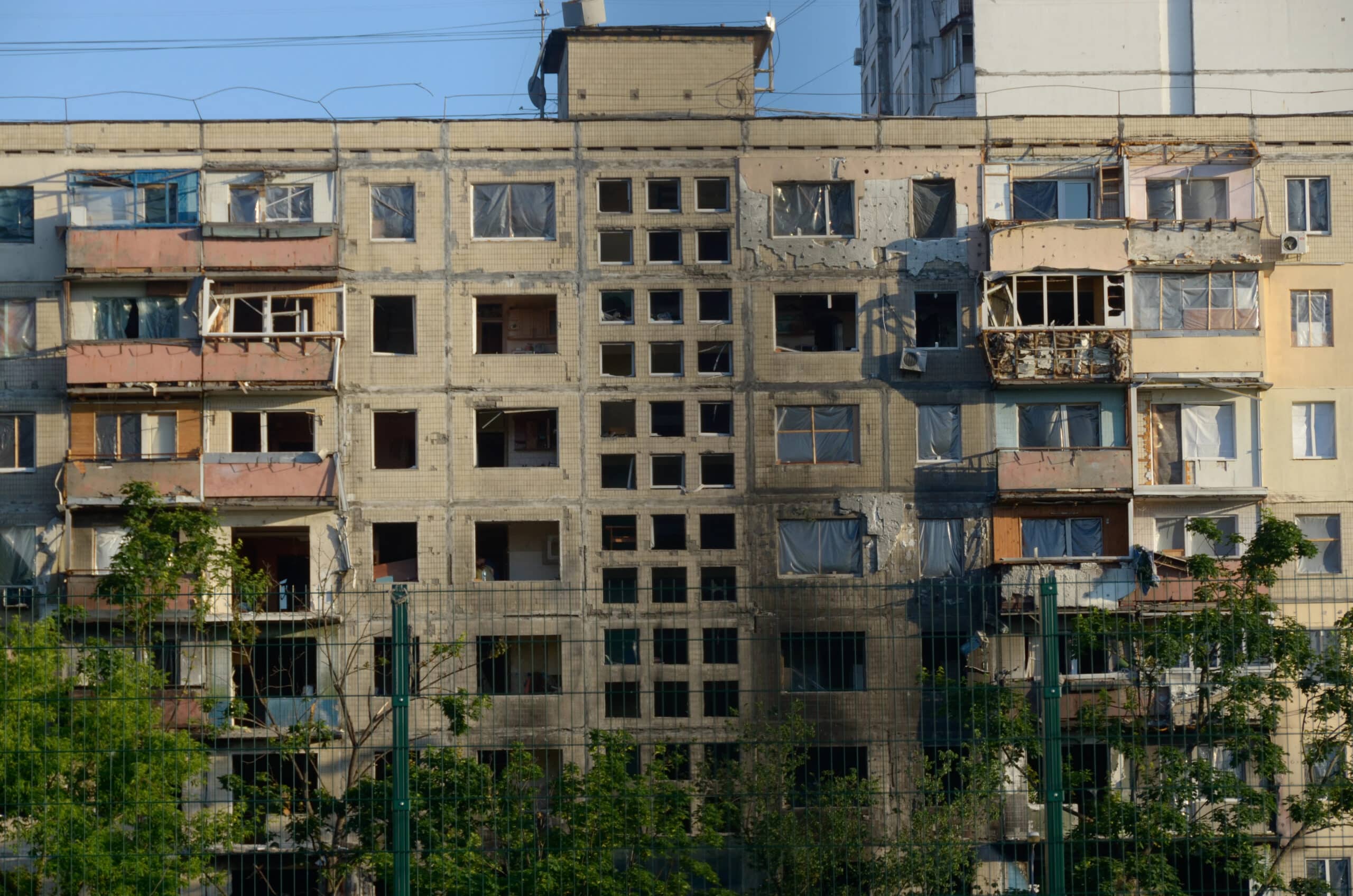
The war has caused severe damage to both the healthcare and education sectors: thousands of hospitals, universities, schools, and kindergartens have been damaged or destroyed, particularly in frontline regions. Despite these losses, the state is gradually restoring critical facilities: hundreds have already been repaired and reopened, and thousands of reconstruction projects are being implemented through the DREAM platform. However, available funding covers only a fraction of the needs, slowing progress. In some cases, reconstruction follows a “build back better” approach, with building modernization and the creation of inclusive infrastructure.
Demining
July saw notable progress in returning land to agricultural producers. Farmers regained access to hundreds of hectares of cleared fields, and dozens of contracts were signed under the state program for demining thousands of hectares of agricultural land. Tens of thousands of square kilometers have already been cleared, but significant areas remain potentially dangerous. Meanwhile, the government and partners are introducing innovative solutions, including artificial intelligence technologies, to accelerate the detection and clearance of mined territories.
Explore more