How ukrainians save money: financial discipline, deposits, and cashback trends. Dmytro Musiienko from PrivatBank
“What’s up with the economy?” is a weekly podcast by the Centre for Economic Strategy in collaboration with Hromadske Radio and supported by PrivatBank.
Hosts Anhelina Zavadetska and Maksym Samoiliuk speak with experts, entrepreneurs, analysts, and government officials about the current state of Ukraine’s economy.
In this episode, we discuss how Ukrainians have adapted their saving and spending habits since the full-scale invasion, the role of strong financial discipline in driving deposit growth and low-risk lending, the surge in retail credit, and why banks like PrivatBank use cashback programs to boost transactions and loyalty. The conversation draws on PrivatBank’s 2025 results and broader banking trends.
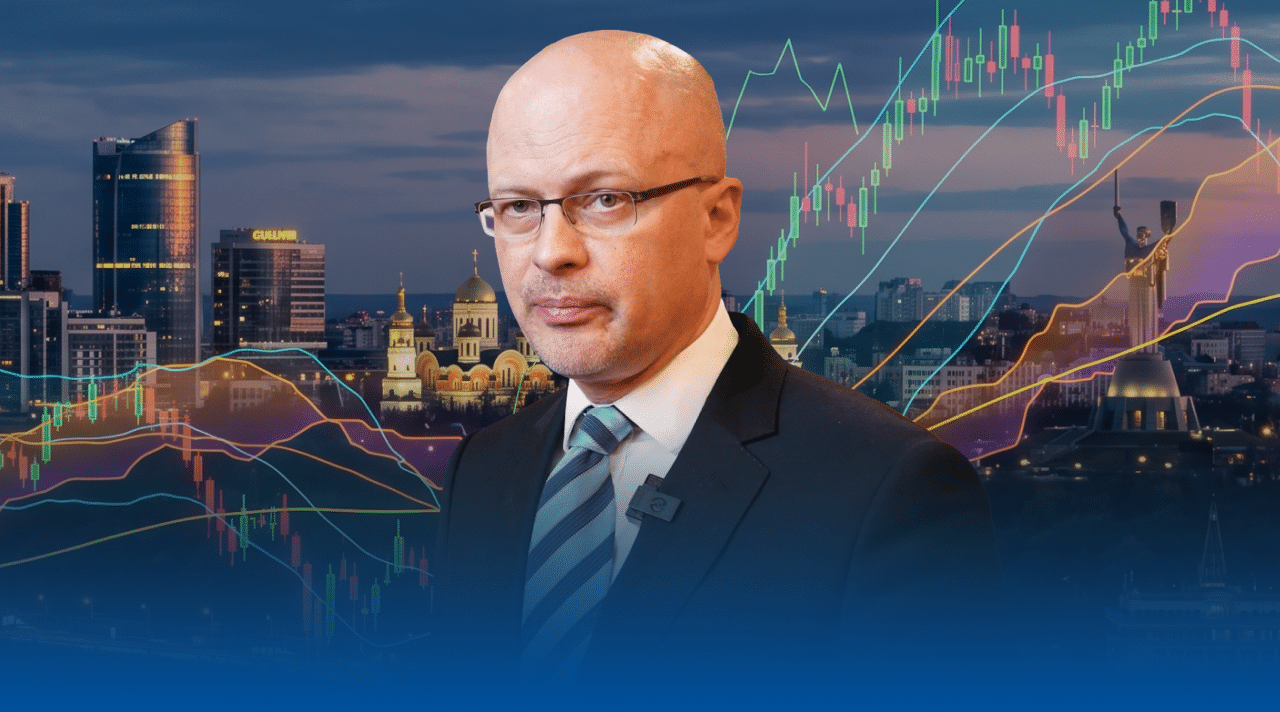
The guest is Dmytro Musiienko, PrivatBank Chief Retail Business Officer, Member of Management Board.
We have summarised the main points of the conversation with expanded direct quotes:
Strong Financial Discipline Post-Invasion
Ukrainians have shown remarkable financial responsibility since February 2022, leading to near-zero non-performing loans (NPL) on new credits issued after the invasion. This discipline has enabled safe credit expansion despite the war, with people avoiding unsustainable debt and repaying on time. Deposits grew substantially in 2025, reflecting cautious saving habits focused on essentials rather than luxuries.
“What we noticed after the start of the war is very good financial discipline among Ukrainians. For example, the new credits we issued after the beginning of the war have an NPL level practically at zero… Ukrainians are really financially disciplined people; they repay funds, they don’t get into obligations they don’t understand.” – Dmytro Musiienko said.
Deposit and Credit Growth in 2025
Musiienko shared that PrivatBank added 85 billion UAH in current accounts and term deposits in 2025, contributing to stable system-wide deposit growth. Retail credit portfolios expanded significantly (26% at PrivatBank, over 30% system-wide), driven by disciplined borrowing and shifted spending toward necessities, auto loans, and state-supported mortgages like eOselya. Overall, savings remain positive but below pre-war peaks due to war uncertainties.
“The entire banking system grew significantly — we alone grew by 85 billion hryvnia… That is, Ukrainians are saving. Deposits increased, and people are accumulating money despite everything.” — shared Dmytro
Cashback as a Win-Win Tool for Banks and Clients
Cashback programs allow banks to share profits, build long-term client relationships, increase transaction volumes, and stimulate the domestic economy (money stays in circulation rather than leaving). PrivatBank’s AI-personalized offers reach 99% of its 14 million app users, driving events like “Green Friday” with +25% transaction growth. National cashback initiatives further encourage local production without tax burdens in some cases.
“From our point of view, cashback is: first — we share part of the profit… showing clients that we are loyal to them. Second — this way we continue the relationship between the client and the bank… It increases turnover, client lifetime value, and stimulates the economy because the money doesn’t leave the country — it cycles through commissions from partners.” – noted Musiienko
Cashless Trends and the Role of Physical Branches & ATMs
Ukraine continues its strong shift toward cashless payments, with transactions increasingly done via cards, phones, or watches — reducing the everyday need for cash. Cashback programs accelerate this by incentivizing non-cash use, boosting transaction volumes, and keeping money circulating domestically. However, demand for cash remains stable, especially during blackouts, migration, and war-related uncertainties.
According to Musiienko PrivatBank keeps branches and ATMs for several important reasons beyond just digital convenience. They give customers access to complex products—such as investments, pensions, and in-depth consultations—that AI or mobile apps cannot fully handle, especially as Ukraine moves closer to EU standards and introduces more sophisticated financial services.
A physical presence provides reassurance and a sense of security: clients frequently want to visit a branch to see that the bank is “alive and working,” particularly in front-line regions or during crises. In the winter blackouts of 2025, PrivatBank actively operated 600 branches using generators, solar panels, Starlink, and fiber optics. These branches turned into true “points of invincibility,” offering extended working hours, tea, phone charging stations, and even weekend openings in high-demand areas such as Kyiv’s left bank.
“We have the largest infrastructure among banks: today there are 1053 branches, about 7,000 ATMs, 12,000 terminals. And accordingly, we must maintain this infrastructure because there is demand from clients for it… For now, we have 1050 branches, and we do not plan global reductions. But still, there is demand for branches. And often people need to come to branches, get consultation, see that the bank is alive and working… when people see the bank and branches in cities near the front line, they feel safer.” — said Dmytro Musiienko
Adaptation to War Challenges and Future Outlook
Ukrainian banks, especially PrivatBank, have invested heavily in resilience amid blackouts, migration, and war disruptions. Branches feature generators, solar panels, Starlink, and fiber optics; during the 2025 winter, ~600 branches served as “points of invincibility” with extended hours, tea, charging stations, and weekend operations in high-need zones like Kyiv’s left bank. The goal is 100% generator coverage by end-2025.
Spending has shifted toward essentials, with credit cards used more for daily needs and loans focused on bigger items (education, repairs, vehicles). Auto loans and programs like eOselya show strong demand.
PrivatBank plans to hold its retail leadership (53% card market, 34% credit share) while ensuring profitability for the state shareholder. Disciplined habits, robust infrastructure, cashback incentives, and digital tools continue to support banking stability and gradual recovery under war conditions. Savings and responsible credit remain central to rebuilding financial resilience.
Explore more