Ukrainian economy in war times: Warm enough for the cold season? August 2022
Economic activity in Ukraine continues to recover. The majority of enterprises that had previously halted operations have resumed their work (half of which have done so completely) and their financial resilience is improving.
In July, business expectations were more optimistic than in June and even in January.
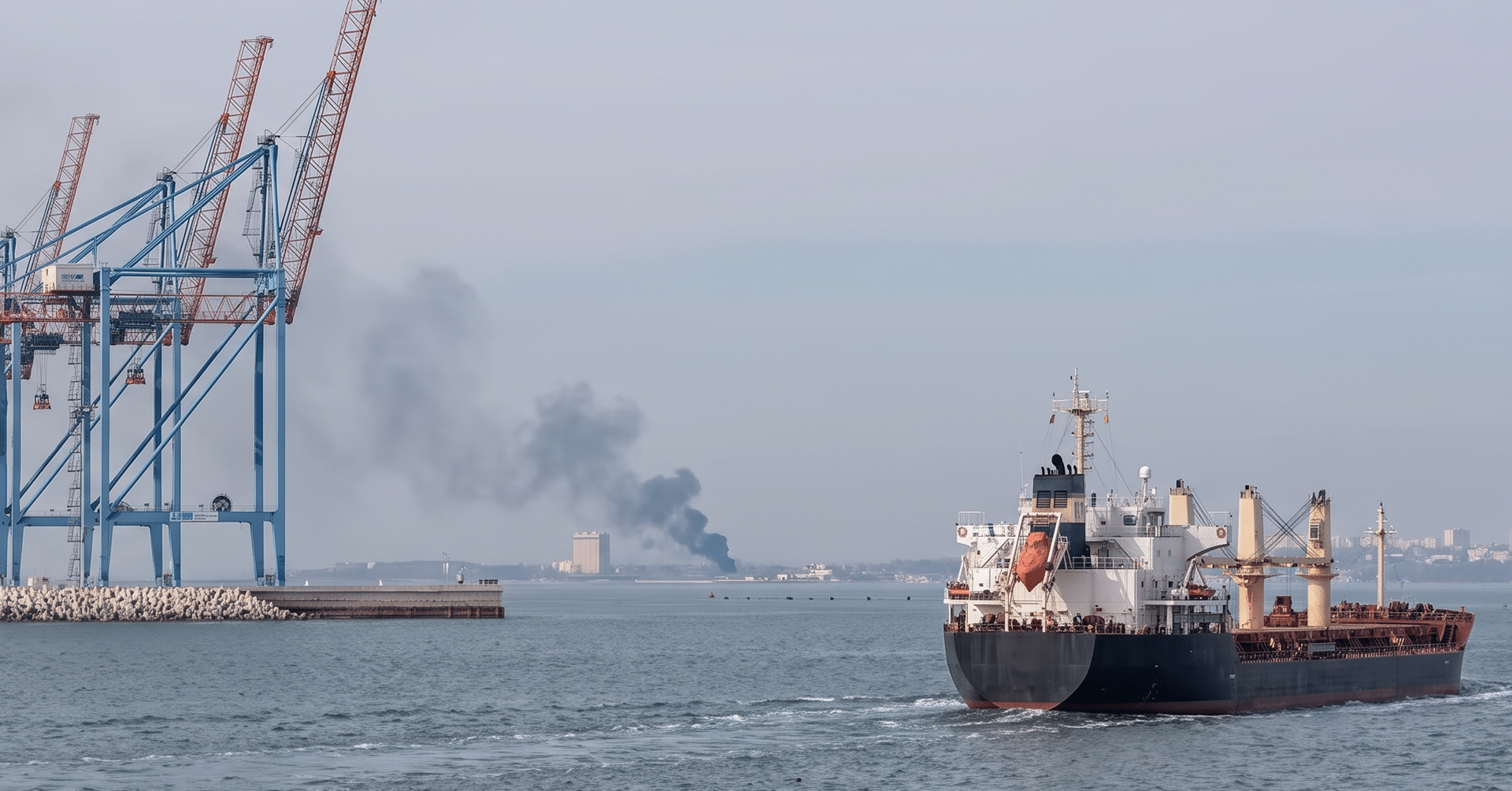
The most important economic news of the past month was the unblocking of sea trade ports for the export of grain. Ukraine, Russia, Turkey, and the UN agreed on guarantees for commercial shipping.
And even though, the very next day, Odesa “got hit,” seaborne grain exports really have begun. The unblocking of the ports will bring the economy as was calculated at the KSE AgroCenter.
As of today, the agreement is signed for 120 days and only includes the ports of the Odesa Oblast, but, in time, it could be extended and include the Mykolaiv ports.
Still, there are enough reasons for pessimism to go around. Damages from the war are growing. Metallurgy production is decreasing; yet another iron ore extraction plant has been stopped.
The balance of payments is still in deficit (although the new exchange rate level should change things). The rise in prices has slowed somewhat, but overall inflation will not amount to less than 30% for the year (in the last 25 years, inflation was higher only in 2015).
High policy rates have caused problems in some banks. Exporters have received almost no VAT refunds. The inflow of foreign financial aid has somewhat decreased.
In addition to this, the labour market is in a difficult situation. Around of third of Ukrainians are without work right now, and this proportion is almost twice as high among internally displaced people.
Because of this, employers currently have the upper hand – there are more people willing to work than there are vacancies. This even affects a sector that is not related to tangible assets and in which there is the highest percentage of companies that have relocated – IT.
Energy is a mixed picture. On the one hand, the fuel crisis is over and the exports of energy to Europe are growing. On the other hand, the aggressor has renewed their attacks on the Zaporizhzhia nuclear power plant, the largest plant in Europe connected to the Ukrainian and continental European electricity grid, and on the power lines connecting the plant to the Ukrainian electricity grid.
It is unclear whether they are trying to engage in nuclear blackmail or indeed cut the plant off from the main system and link instead to Crimea.
Apart from the obvious risks from the point of view of nuclear safety, this would be a serious blow to the supply of electricity, which is especially critical as we approach the cold season.
The special focus of this report revolves around this question. At first glance, the situation does not look too bad. The accumulation of energy resources is progressing at around the same pace as in previous years, despite the fact that demand has fallen by 40% both within industry and in housing and communal enterprises.
However, the main risks for the cold season do not lie in the field of resource provision, but rather in the physical safety of the infrastructure. Russia could renew its attacks on electric and thermal stations just when they are needed the most.
The research was conducted with the support of the German Economic Team. Conclusions in this paper are those of its authors and do not necessarily represent the views of the supporting organisation.


Explore more